The Ins and Outs of Printing: Understanding the Different Techniques
Printing has been around for centuries and has played a crucial role in shaping human history. From the Gutenberg press to modern-day digital printing, the technology has come a long way. But with so many different printing methods available, it can be challenging to understand which technique is best for your project. In this article, we dive into the different printing methods available and help you understand which technique is right for you.
Offset Printing
Offset printing is a traditional printing method that uses plates to transfer ink onto paper. The inked image is transferred from the plate to a rubber blanket and then onto the paper. This printing method is ideal for large printing jobs as it produces high-quality images at a relatively low cost per unit. Offset printing also allows for a wide range of paper options, including different sizes, weights, and finishes.
Digital Printing
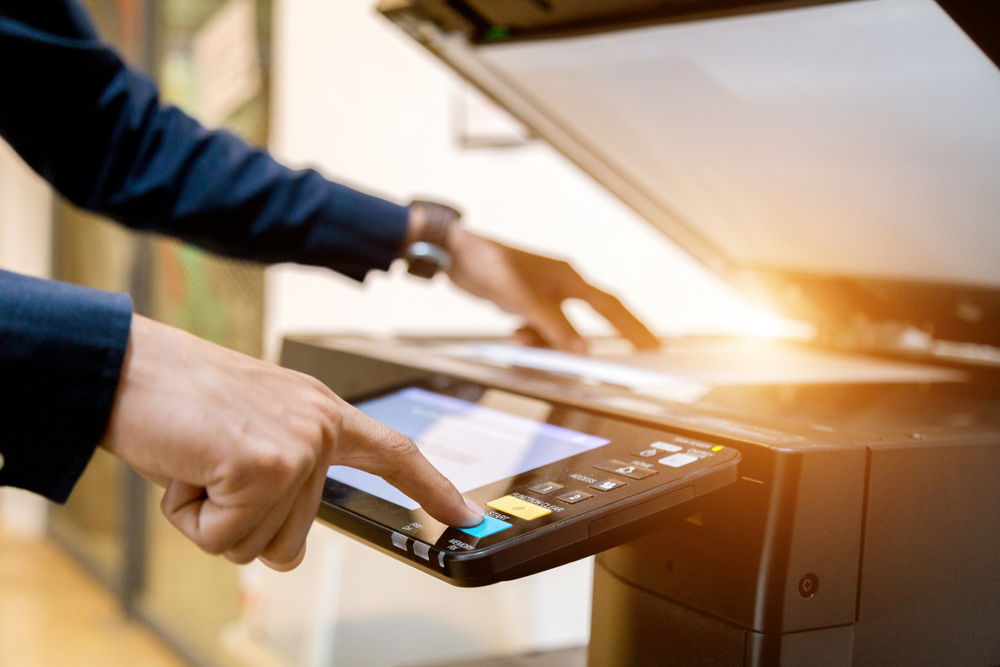
Digital printing is a relatively new printing method that has gained popularity in recent years. This technique uses digital files to print images directly onto paper, eliminating the need for plates. Digital printing is ideal for short printing runs, as it allows for quick turnaround times and cost-effective printing solutions. It also offers greater flexibility in terms of customization, as different images can be printed on each sheet.
Flexography Printing
Flexography printing is a type of relief printing that uses flexible plates to transfer ink onto paper or other substrates. This printing method is commonly used for packaging and labeling as it can print on a variety of materials, including plastics and foils. Flexography printing is also ideal for printing large areas of solid color or simple designs.
Screen Printing
Screen printing is a printing method that involves pushing ink through a stencil onto paper or other substrates. This technique is ideal for printing on a variety of materials, including textiles, plastics, and metals. Screen printing is also ideal for producing vibrant colors, as it allows for precise control over the ink deposition.
Gravure Printing
Gravure printing is a type of intaglio printing that uses engraved cylinders to transfer ink onto paper. This printing method is ideal for printing high-quality images and is commonly used for printing magazines and catalogs. Gravure printing is also suitable for printing on a variety of substrates, including plastic films and metal foils.
In summary, each printing method has its unique advantages and disadvantages. Offset printing is ideal for large printing jobs, digital printing is perfect for short runs, flexography printing is great for packaging and labeling, screen printing is perfect for printing on a variety of materials, and gravure printing is excellent for high-quality images. Choosing the right printing method for your project depends on a variety of factors, including the number of prints, the desired turnaround time, and the substrate being printed on.
When selecting a printing method, consider your specific needs and the goals of your project. Work with a printing professional who can help guide you through the process and ensure that your project is a success. With the right printing method, you can create high-quality printed materials that will make a lasting impression.